
Baghdad, Iraq — Iraq is entering another important phase of electricity-sector development as the government pursues new international agreements, power generation projects, natural gas supply arrangements, renewable energy investments, and major transmission network upgrades. Recent developments involving Siemens Energy, GE Vernova, TotalEnergies, international financing institutions, and neighboring countries indicate a renewed effort to strengthen Iraq’s electricity infrastructure. However, despite billions of dollars invested over previous decades, the country continues to face a substantial electricity supply deficit, particularly during the summer months when air-conditioning demand pushes the national grid toward its limits.
The latest developments suggest that Iraq’s electricity strategy is gradually shifting from simply installing additional generating capacity toward a broader approach involving fuel security, plant efficiency, regional interconnections, transmission reinforcement, and distribution network modernization.
Iraq’s Current Electricity Situation: Generation Remains Far Below Demand
Iraq continues to experience a significant gap between available electricity generation and national demand. According to figures reported in September 2026, national electricity production reached approximately 24,700 megawatts, while peak summer demand was estimated at 55,000–60,000 megawatts.
IRAQ ELECTRICITY SECTOR, REPORTED 2026 FIGURES:
September generation 24,700 MW, Estimated peak demand 55–60 GW, Indicative peak shortfall 30–35 GW, 2030 generation target 35,000 MW (Reported ministry figures and calculated comparisons; September generation and summer peak demand are not simultaneous measurements.)
These figures illustrate the scale of Iraq’s electricity challenge. Even when additional generating units are commissioned, growing demand from residential consumers, commercial developments, industrial facilities, and urban expansion can absorb much of the improvement. Another serious concern is the condition of the electricity distribution system. Reported aggregate technical and non-technical losses, including unmetered consumption and illegal connections, remain extremely high. This reduces the amount of generated electricity that is effectively delivered, accounted for, and paid for. For Iraq, building new power stations alone will not resolve the electricity crisis unless improvements in transmission, distribution, fuel availability, and revenue collection occur simultaneously.
Siemens Energy and Iraq Sign Fourth-Phase Power Cooperation Framework
Following photo is Courtesy of Siemens Energy:
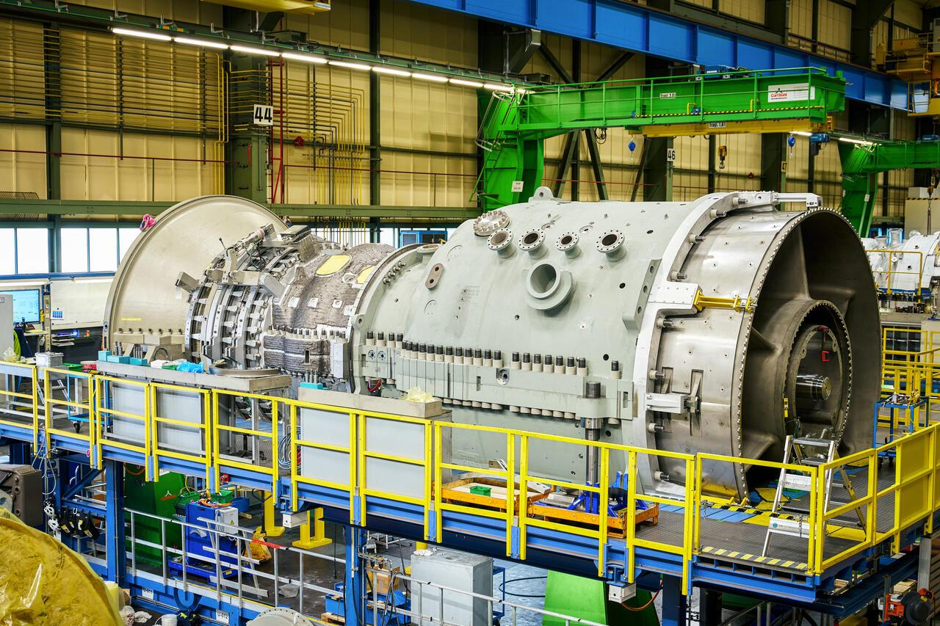
One of the most significant recent developments is the signing of a fourth-phase energy cooperation framework between Iraq’s Ministry of Electricity and Germany’s Siemens Energy. The agreement, signed in Berlin in September 2026, represents a continuation of the long-standing partnership aimed at improving Iraq’s electricity infrastructure.
The cooperation framework includes several strategic areas:
- Development of new combined-cycle and thermal power generation projects.
- Construction of new high-voltage substations and modernization of existing transmission facilities.
- Rehabilitation and maintenance of operating power plants.
- Improvements in grid stability and emergency fault response.
- Exploration of financing arrangements for future projects.
- Technical training and professional development for Iraqi electricity-sector personnel.
An important feature of the framework is the intention to select new generating sites based on the availability of existing infrastructure, transmission connections, and fuel pipelines. This approach could reduce the need for entirely new supporting infrastructure and potentially accelerate project execution. However, the agreement is a cooperation framework. It should not be interpreted as confirmation that every proposed project has received a final construction contract, financing approval, or notice to proceed.
Three Major 400 kV Substation Projects Under Development
Iraq is also advancing important transmission infrastructure projects in cooperation with Siemens. In October 2026, progress was reviewed on three strategic 400 kV substations:
| Project | Location |
| Al-Dhafaf 400 kV substation | Karbala |
| Al-Abbasiya 400 kV substation | Najaf |
| Al-Karkh 400 kV substation | Baghdad |
These projects form part of the second phase of the cooperation arrangements and are intended to strengthen electricity transmission across central Iraq and the Middle Euphrates region. High-voltage substations are essential for transferring large quantities of electricity from generating stations to regional distribution networks. Without adequate transmission capacity, additional power generation may not translate into improved electricity supply for consumers. The ongoing projects therefore represent an important component of Iraq’s grid modernization strategy.
GE Vernova Cooperation and Gas Turbine Modernization
American energy technology company GE Vernova remains an important participant in Iraq’s electricity sector. During a parliamentary discussion in July 2026, Iraq’s electricity minister referred to a memorandum of principles with GE aimed at improving the country’s electricity generation capabilities. Iraq operates a substantial fleet of industrial gas turbines, including GE-designed equipment, making maintenance, rehabilitation, spare parts availability, and efficiency improvement essential considerations.
For existing gas turbine installations, several technical measures could help increase reliable output: Gas turbine performance improvement: Compressor washing, combustion inspections, hot-gas-path maintenance, and restoration of deteriorated components can recover lost generating capacity.
Combined-cycle conversion: Installing heat recovery steam generators and steam turbines at suitable existing open-cycle gas turbine stations can produce additional electricity from exhaust heat.
Control system modernization: Upgrading turbine controls, protection systems, instrumentation, and monitoring equipment can improve operational reliability.
Long-term maintenance arrangements: Structured maintenance contracts with original equipment manufacturers can support outage planning, parts supply, and unit availability.
The July parliamentary statement confirms the GE cooperation initiative, but it does not establish a complete list of newly awarded contracts or confirmed project capacities under that initiative.
Iraq Explores New LNG Agreement with TotalEnergies
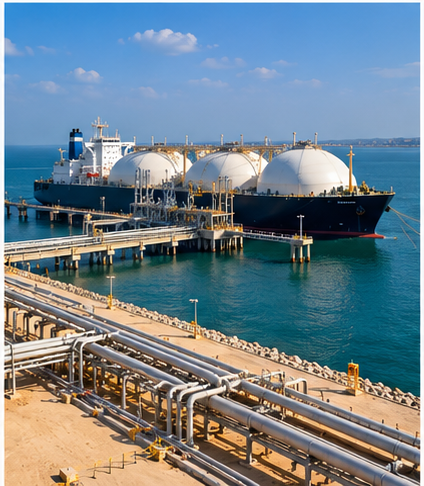
Fuel availability remains one of the greatest operational challenges facing Iraqi gas-fired power stations. In September 2026, Iraq’s Ministry of Electricity reached a preliminary understanding with French energy company TotalEnergies to explore importing liquefied natural gas. The proposal involves using a floating LNG receiving and regasification facility near Basra. Under the proposed arrangement, imported LNG would be converted back into gaseous form and supplied through Iraq’s gas pipeline network to electricity generation facilities. This could help diversify Iraq’s fuel supply and reduce vulnerability to interruptions affecting existing gas imports.
The country has also pursued an LNG infrastructure arrangement involving US-based Excelerate Energy at Khor Al-Zubair. These developments are important because gas-fired electricity generation depends not only on installed turbine capacity but also on the availability of sufficient fuel at the required pressure, quality, and flow rate.
The TotalEnergies arrangement remained preliminary at the time reported, with commercial terms, supply volumes, and infrastructure requirements still subject to negotiations.
Iraq Approves New Electricity Supply Contract of Up to 1,000 MW
In another important development, the Iraqi Council of Ministers approved authorization for a new electricity supply contract involving between 600 and 1,000 MW on October 20, 2026. The authorization was granted to the General Company for Electricity Transmission in the Northern Region. This decision represents a potential additional source of electricity for Iraq’s national power system.
However, the cabinet announcement confirms approval to sign the contract rather than verified completion of the signing process. The supplier, commercial value, delivery schedule, and operational commencement date were not specified in the reviewed announcement. The project will therefore require further monitoring before its actual contribution to national electricity supply can be determined.
Iraq Plans to Increase Electricity Imports from Turkey to 2,000 MW
Regional electricity interconnection is becoming an increasingly important element of Iraq’s energy security strategy. According to statements reported in October 2026, Iraq is currently receiving approximately 600 MW of electricity from Turkey, with plans to increase imports to around 2,000 MW during a second development phase. The increase would represent a substantial expansion in cross-border electricity transfer capacity. Meanwhile, Iraq is also pursuing interconnection projects with other neighboring countries.
| Interconnection | Reported position, October 2026 |
| Turkey | Approximately 600 MW supplied; expansion toward 2,000 MW planned |
| Gulf interconnection | 500 MW project; Iraqi-side work reportedly 98% complete |
| Jordan | Earlier 50–100 MW supply agreement expired in September; renewal anticipated |
| Saudi Arabia | Discussions underway for a proposed initial 2,000 MW connection |
The Gulf interconnection still requires outstanding work on the Kuwaiti side, while the Saudi project remains subject to agreements and implementation schedules. These initiatives could provide Iraq with additional electricity during periods of high demand, but regional imports cannot fully replace domestic generating capacity.
Solar Energy Receives Major Policy Support in October 2026
Iraq has taken another step toward expanding renewable energy by approving the removal of customs duties on imported solar energy systems. The decision, announced on October 20, 2026, is intended to encourage households and private businesses to invest in solar power. Lower import costs could support the adoption of rooftop photovoltaic systems, particularly in locations where consumers experience frequent electricity interruptions.
In addition, Iraq’s Ministry of Electricity held discussions with the Japan International Cooperation Agency (JICA) on October 13, 2026, concerning potential financing and technical cooperation for residential solar installations. The discussions included feasibility studies, grid connection requirements, and potential support for projects within Iraq’s renewable energy investment portfolio. The Japanese financing initiative remains at the evaluation stage rather than representing a confirmed nationwide installation contract. Together, these developments indicate growing government interest in decentralized electricity generation alongside conventional power station expansion.
Diwaniyah Combined-Cycle Project Expected to Add 264 MW
Another project worth monitoring is the combined-cycle development at the Diwaniyah gas-fired power station. Reports from September 2026 indicated that the project, being executed by a Chinese engineering company, had reached approximately 48% completion. The first phase is expected to provide an additional 264 MW to the Middle Euphrates electricity network.
Combined-cycle conversion is particularly attractive in countries such as Iraq, where many gas turbines operate in open-cycle configurations. Instead of allowing high-temperature turbine exhaust gases to discharge directly into the atmosphere, a combined-cycle arrangement uses this waste heat to generate steam and drive a steam turbine. This increases electricity production without requiring a proportionate increase in primary fuel consumption.
The Diwaniyah project demonstrates how improving the efficiency of existing power infrastructure can contribute to Iraq’s generation expansion program. The reviewed report did not establish a confirmed commercial operation date.
Power Plant Maintenance and Rehabilitation Remain National Priorities
In October 2026, Iraqi parliamentary committees reviewed the condition of the electricity system, ongoing contracts, and the need to strengthen power station maintenance. On October 7, the Ministry of Electricity outlined challenges involving generating capacity, transmission constraints, technical losses, fuel supplies, and delayed investments.
On October 20, the parliamentary Electricity and Energy Committee examined a power system maintenance, rehabilitation, and testing project, including contractual arrangements associated with United Power Engineering Company. These discussions highlight the increasing importance of maintaining existing electricity infrastructure rather than relying exclusively on new generating projects.
For Iraq’s operating power stations, reliable maintenance is particularly important because high summer temperatures can reduce gas turbine output while simultaneously increasing electricity demand. Planned maintenance, equipment inspections, cooling system improvements, and timely replacement of deteriorated components can help improve availability during critical operating periods. The government has also discussed maintaining long-term service relationships with original equipment manufacturers, including Siemens and General Electric.
New Opportunities for International Power Engineering Companies
Iraq’s expanding electricity investment program could create opportunities for international engineering contractors, equipment manufacturers, technical service providers, and specialist maintenance companies. Potential areas of activity include gas turbine rehabilitation, combined-cycle conversions, high-voltage substation construction, electrical testing and commissioning, control system modernization, solar power installations, and gas infrastructure development.
The development of additional LNG receiving facilities could also create demand for mechanical construction, piping installation, instrumentation, electrical works, and commissioning services. Companies specializing in dismantling, relocation, refurbishment, and recommissioning of existing power generation equipment may find opportunities where project economics favor reusing available generating assets.
However, these are potential business opportunities arising from sector developments, not announcements of specific awarded contracts. Before committing resources, contractors should verify tender notices, project funding, contractual guarantees, payment conditions, security arrangements, and implementation schedules.
What Could Delay Iraq’s Power Sector Development?
Despite the positive developments, Iraq’s electricity sector continues to face several significant challenges. Fuel security remains a central concern. Gas-fired power stations cannot operate at their rated capacities without dependable fuel supplies, regardless of the condition of their generating equipment. Transmission and distribution infrastructure also requires substantial investment. Installing additional generating capacity without removing grid bottlenecks may limit the benefits experienced by electricity consumers.
Financing is another major issue. During the October 7 parliamentary discussions, officials raised concerns about projects delayed by funding shortages and the absence of sovereign guarantees. Finally, the sector must address technical losses, unauthorized connections, revenue collection, project oversight, and effective maintenance planning. These challenges underline the importance of coordinating electricity generation projects with fuel infrastructure, transmission capacity, distribution modernization, and financial reform.
Outlook: What to Expect from Iraq’s Electricity Sector in 2027
Looking toward 2027, Iraq’s electricity industry is likely to focus on several interconnected priorities. The first will be converting recently signed cooperation frameworks into funded engineering, procurement, and construction contracts. The second will involve strengthening the reliability of existing generating plants through maintenance, rehabilitation, and efficiency improvements. A third priority will be securing alternative fuel supplies, particularly through domestic gas development and potential LNG import arrangements.
Progress on regional electricity interconnections will also be important, especially the proposed expansion of electricity imports from Turkey and the completion of the Gulf interconnection. Meanwhile, renewable energy projects, smart metering, and distribution network improvements could gradually reduce pressure on conventional power stations. The decisive measure of success will not simply be the number of agreements signed or megawatts announced. It will be the amount of reliable electricity actually delivered to Iraqi homes, businesses, and industries.
Conclusion
Iraq’s electricity sector is showing signs of renewed development momentum through international cooperation, new power supply arrangements, infrastructure investments, and energy diversification initiatives. The fourth-phase Siemens Energy framework, the proposed expansion of Turkish electricity imports, LNG negotiations with TotalEnergies, solar energy incentives, and ongoing transmission projects collectively demonstrate the scale of the country’s ambitions.
Nevertheless, the difference between announced projects and completed, operational infrastructure remains critical. For Iraq to achieve sustainable electricity improvements, the country must address fuel availability, grid losses, maintenance requirements, project financing, and electricity distribution alongside new generation development.
For the international power industry, Iraq remains a significant market for generation technology, engineering services, equipment rehabilitation, transmission infrastructure, and renewable energy investment. The coming months will reveal how quickly the latest agreements and government decisions translate into operational improvements across Iraq’s national electricity system.
Global Power News will continue following Iraq’s power generation projects, electricity contracts, energy partnerships, and major infrastructure developments.

Nawaz Ali Lakho is a power-generation professional and project-management consultant with more than 33 years of experience across thermal, nuclear, gas-turbine, steam-turbine, and combined-cycle power plants. His career encompasses plant operations, maintenance, commissioning, troubleshooting, asset management, and the leadership of multidisciplinary teams of more than 200 personnel.
His hands-on experience includes GE Frame 9E and 6FA and Alstom GT13DM gas turbines; Mitsubishi, GE, and Fuji steam turbines; heat-recovery steam generators; supercritical boilers; and major plant-control platforms from GE, ABB, Emerson, and Siemens. He has participated in cold and hot commissioning, major overhauls, hot-gas-path inspections, and combustion inspections at power facilities ranging from 150 MW to 586 MW.
At Global Power News, Nawaz shares field-informed O&M case studies, technical guidance, equipment insights, and analysis of power systems and energy infrastructure. Connect with him on [LinkedIn](https://www.linkedin.com/in/powerprofessional/).