
Iraq’s Landmark Partnership with U.S. Companies Signals a New Era for Energy and Infrastructure Development
Iraq has taken a major step toward accelerating its economic transformation by signing an extensive package of agreements, memoranda of understanding (MoUs), and partnership declarations with the United States government and leading American companies. Announced during Prime Minister Ali al-Zaidi’s official visit to Washington in July 2026, the initiative includes 48 agreements spanning energy, oil and gas, electricity, infrastructure, technology, telecommunications, healthcare, finance, and agriculture.
The agreements represent one of the largest U.S.–Iraq economic cooperation initiatives in recent years, with reports indicating that the combined value of the projects and partnerships could reach approximately US$60 billion.
Energy Sector Takes Center Stage
Energy remains the cornerstone of Iraq’s economic development strategy. A significant share of the agreements focuses on modernizing the country’s electricity infrastructure, expanding oil and gas production, improving export routes, and strengthening long-term energy security.
Among the most notable participants is GE Vernova, which signed an agreement with Iraq’s Ministry of Electricity to implement a comprehensive national program aimed at improving power generation capacity, grid reliability, and the overall security of Iraq’s electricity supply. The agreement builds on years of collaboration between GE and Iraq’s power sector and is expected to support the country’s growing electricity demand.
Other major American companies involved include:
- ExxonMobil
- Chevron
- Halliburton
- KBR
- Shell
- Starlink (SpaceX)
- Additional technology, healthcare, infrastructure, and financial institutions.
GE Vernova’s Strategic Role
For Iraq’s power sector, GE Vernova’s participation is particularly significant.
The company has supported Iraq’s electricity industry for many years through gas turbine installations, transmission projects, digital grid solutions, and maintenance services. The new agreement seeks to further strengthen Iraq’s electrical infrastructure by improving generation capacity, enhancing operational reliability, and supporting long-term energy planning.
As electricity demand in Iraq continues to rise due to population growth and industrial expansion, modernizing existing generating assets while adding new capacity remains one of the government’s highest priorities.
Expanding Oil and Gas Infrastructure
Several agreements focus on increasing upstream oil production while simultaneously improving export flexibility.
One of the strategic objectives is the development of alternative oil transportation routes that reduce dependence on the Strait of Hormuz. Proposed pipeline projects linking southern Iraq to Syria’s Mediterranean coast and Turkey are intended to diversify export options and enhance regional energy security.
Chevron announced agreements covering oilfield development as well as participation in new pipeline infrastructure projects designed to strengthen Iraq’s long-term export capabilities.
Technology and Digital Transformation
The cooperation package extends well beyond traditional energy.
Agreements include telecommunications and digital infrastructure initiatives, such as plans related to Starlink services, alongside projects covering healthcare, finance, industrial development, and agriculture. These investments reflect Iraq’s broader strategy of diversifying its economy while attracting advanced technologies and foreign direct investment.
A Shift Toward Long-Term Investment
During the signing ceremony, Iraqi officials emphasized that the country is seeking long-term strategic investors rather than conventional project contractors.
This policy direction is designed to encourage sustained technology transfer, workforce development, industrial partnerships, and infrastructure modernization that can support Iraq’s economic growth over the coming decades.
Opportunities for the Power Industry
For engineers, EPC contractors, OEMs, and service providers, these agreements may create opportunities in:
- Gas turbine power generation
- Generator and excitation systems
- Grid modernization
- High-voltage transmission
- Digital power plant solutions
- Predictive maintenance
- Industrial automation
- Renewable energy integration
- Technical training and workforce development
As these agreements progress from memoranda of understanding to fully executed projects, Iraq’s energy sector is expected to become one of the Middle East’s most active markets for engineering, construction, and industrial services.
Conclusion
The latest agreements between Iraq, the United States government, and major American companies represent more than a collection of commercial contracts—they signal a renewed strategic partnership focused on rebuilding infrastructure, strengthening energy security, and attracting long-term investment.
While successful implementation will depend on financing, execution, and political stability, the breadth of the agreements demonstrates growing international confidence in Iraq’s economic future. For the global energy industry, the coming years may present significant opportunities as Iraq continues its journey toward a more resilient, diversified, and modern energy sector.
About Global Power News
Global Power News provides technical insights, engineering analysis, and industry updates covering power generation, gas turbines, steam turbines, electrical systems, industrial maintenance, and energy infrastructure worldwide.
Sources:
This article was prepared using official announcements, corporate publications, and reporting concerning the July 2026 U.S.–Iraq Business Summit. Background information on Iraq’s electricity and energy sectors was obtained from GE Vernova, the IEA, and OPEC.
- U.S. Chamber of Commerce “U.S.–Iraq Relations Enter a New Chapter as Business Leaders Finalize Over $60 Billion in Deals,” July 2026 Supports the summit, its participants, the total announced value, and the broader commercial partnership.
- Al Jazeera “Iraq signs 48 deals with US companies during PM’s visit to Washington,” July 18, 2026 Supports the Iraqi government’s count of 48 agreements and identifies the principal sectors and participating companies.
- GE Vernova “GE Vernova announces strategic initiatives with the Republic of Iraq to further strengthen the power sector”
Provides background on GE Vernova’s cooperation with Iraq’s Ministry of Electricity. - GE Vernova “GE Vernova and Iraq’s Ministry of Electricity propel key projects forward,” February 5, 2025
Supports the discussion of turbine modernization, maintenance, grid reliability, and additional generating capacity. - OPEC Monthly Oil Market Report Provides official oil-production and market data for Iraq.
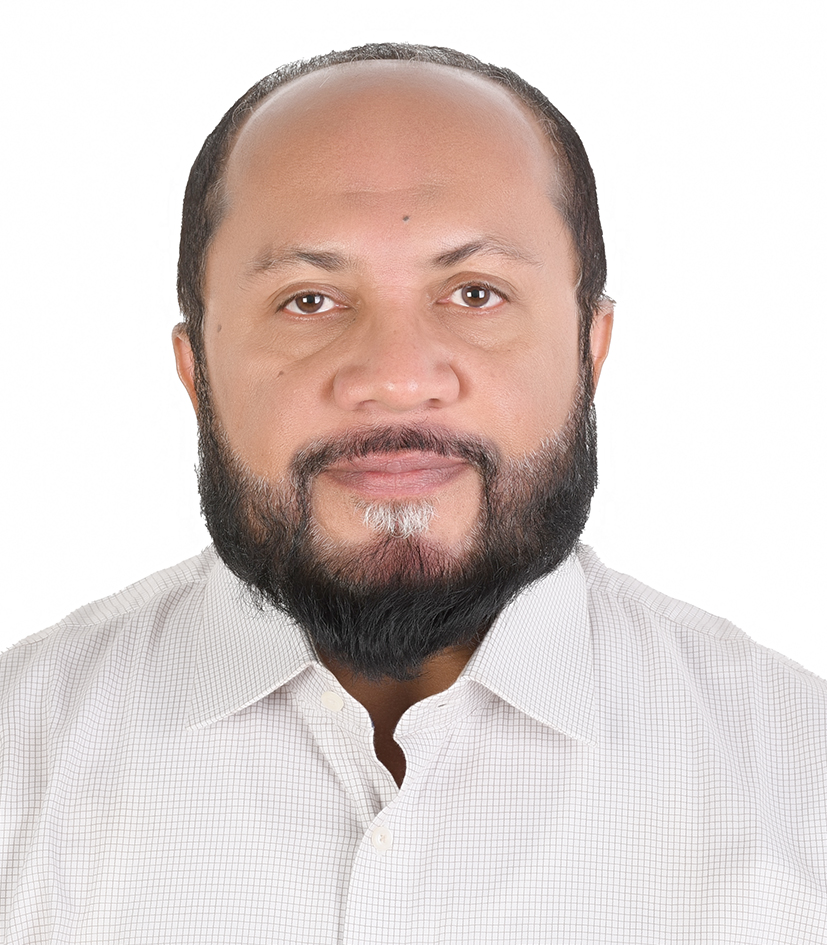
Nawaz Ali Lakho is a power-generation professional and project-management consultant with more than 33 years of experience across thermal, nuclear, gas-turbine, steam-turbine, and combined-cycle power plants. His career encompasses plant operations, maintenance, commissioning, troubleshooting, asset management, and the leadership of multidisciplinary teams of more than 200 personnel.
His hands-on experience includes GE Frame 9E and 6FA and Alstom GT13DM gas turbines; Mitsubishi, GE, and Fuji steam turbines; heat-recovery steam generators; supercritical boilers; and major plant-control platforms from GE, ABB, Emerson, and Siemens. He has participated in cold and hot commissioning, major overhauls, hot-gas-path inspections, and combustion inspections at power facilities ranging from 150 MW to 586 MW.
At Global Power News, Nawaz shares field-informed O&M case studies, technical guidance, equipment insights, and analysis of power systems and energy infrastructure. Connect with him on LinkedIn.
International Experience: Have worked around the world specially, Pakistan, Iraq, Saudi Arabia, UAE, Angola, England and Nigeria.
Disclaimer: Articles are developed using internet research, professional field experience, and AI assistance. While every effort is made to ensure accuracy, the content may contain estimates, projections, or assumptions. The author assumes no liability for technical or computational discrepancies.