El amanecer de la electricidad: cómo y cuándo comenzó la generación de energía
La capacidad de generar electricidad a demanda es el pilar de la civilización moderna, pero su origen práctico se remonta a una serie de avances monumentales en el siglo XIX. Antes de la década de 1880, la electricidad era principalmente un fenómeno de laboratorio o una novedad utilizada para líneas telegráficas localizadas. El cambio a la generación eléctrica real requirió dominar la relación entre el magnetismo y el movimiento.
El descubrimiento fundamental: 1831
El viaje hacia el primer generador eléctrico comenzó con el científico inglés Michael Faraday. En 1831, Faraday descubrió la inducción electromagnética, el principio según el cual el movimiento de un conductor (como un cable de cobre) a través de un campo magnético induce una corriente eléctrica en el cable.
Faraday construyó el primer generador primitivo, conocido como el disco de Faraday. Era un simple disco de cobre que giraba entre los polos de un imán de herradura. Aunque producía solo una pequeña cantidad de corriente continua (CC) de potencia continua, demostró una ley científica fundamental: la energía mecánica podía convertirse en energía eléctrica.
Las primeras centrales eléctricas comerciales: 1882
Pasó otra medio siglo para que el experimento de laboratorio de Faraday se convirtiera en una realidad comercial. El año 1882 marca el nacimiento oficial de la industria moderna de generación eléctrica, impulsada por dos pioneros distintos en lados opuestos del Atlántico.
1. Holborn Viaduct (Londres) – Enero de 1882
Thomas Edison construyó la primera central eléctrica de carbón del mundo en Holborn Viaduct, Londres. Comenzó a operar en enero de 1882, utilizando un enorme motor de vapor para accionar una dinamo (generador) de Edison llamada "Long-Legged Mary-Ann". Inicialmente iluminó 1.000 lámparas locales, incluidas farolas y edificios cercanos.
2. Central de Pearl Street (Nueva York) – Septiembre de 1882
Ese mismo año, Edison inauguró la Central de Pearl Street en el sur de Manhattan. Impulsada por motores de vapor de alta velocidad, esta central sirvió a una red de una milla cuadrada, distribuyendo de forma segura energía de CC de 110 voltios a clientes comerciales, incluyendo, de forma destacada, las oficinas del New York Times.
3. Central de Vulcan Street (Wisconsin) – Septiembre de 1882
Apenas unas semanas después de Pearl Street, la primera central hidroeléctrica del mundo entró en funcionamiento a lo largo del río Fox en Appleton, Wisconsin. Utilizando una rueda hidráulica impulsada por el flujo natural del río, demostró que la fuerza mecánica de la naturaleza, no solo la quema de carbón, podía accionar las dinamos necesarias para iluminar el mundo.
Cómo funcionaba la generación temprana
La generación de energía temprana se basaba en un bucle mecánico sencillo que sigue siendo conceptualmente similar a cómo funcionan muchas centrales eléctricas hoy en día:
- El Motor Primario: Se utilizaba una fuente de energía, ya sea vapor a alta presión generado por la quema de carbón, o agua en movimiento de un río, para hacer girar una turbina o motor mecánico.
- La Dinamo: El motor giratorio estaba acoplado físicamente a un generador (dinamo).
- Inducción: Dentro de la dinamo, enormes bobinas de alambre de cobre se vieron obligadas a girar rápidamente junto a potentes electroimanes.
- La Red: Este movimiento obligó a los electrones a fluir a través del alambre de cobre, creando una corriente eléctrica que luego se enviaba a través de cables de cobre a edificios locales y farolas.
La Limitación y la Evolución
Estas primeras generaciones de sistemas producían estrictamente Corriente Continua (CC). Dado que la energía CC experimenta caídas de voltaje masivas y pérdidas de energía al viajar largas distancias, las primeras centrales de Edison solo podían suministrar a los clientes dentro de un radio minúsculo de una milla.
A finales de los años 1880 y 1890, pioneros como Nikola Tesla y George Westinghouse defendieron la Corriente Alterna (CA). La energía CA permitía que los voltajes se elevaran a niveles increíblemente altos para la transmisión a larga distancia y luego se bajaran de forma segura en el destino. Esta evolución, construida directamente sobre los cimientos establecidos en 1882, permitió que las centrales eléctricas se trasladaran fuera de los centros urbanos y escalaran hasta las enormes redes interconectadas de las que dependemos hoy en día.
Vuelve y lee el primer artículo de esta serie, haz clic en: Historia corta del ser humano y el poder
Lee el siguiente artículo de esta serie, haz clic en: Cómo la generación de energía se transformó entre 1883 y 1925
Fuentes:
- The Royal Institution – Michael Faraday https://www.rigb.org/explore-science/explore/person/michael-faraday
- Encyclopaedia Britannica – Michael Faraday https://www.britannica.com/biography/Michael-Faraday
- IEEE Engineering and Technology History Wiki https://ethw.org
- National MagLab – Inducción Electromagnética https://nationalmaglab.org/education/magnet-academy/watch-play/interactive/electromagnetic-induction
- Royal Institution – Experimentos Originales de Faraday https://www.rigb.org/explore-science/explore/person/michael-faraday
- Archivos de la Institution of Engineering and Technology (IET) https://archives.theiet.org
- Engineering Timelines – Central Eléctrica de Holborn Viaduct https://engineering-timelines.com
- Edison Tech Center – Estación Pearl Street https://edisontechcenter.org/PearlStreetStation.html
- National Park Service – Parque Histórico Nacional Thomas Edison https://www.nps.gov/edis
- IEEE History Wiki – Estación Pearl Street https://ethw.org/Pearl_Street_Station
- Hearthstone Historic House Museum https://www.hearthstonehistoricouse.org
- IEEE Milestone – Appleton Electric Light Company https://ethw.org/Milestones:Appleton_Electric_Light_Company
- Wisconsin Historical Society https://www.wisconsinhistory.org
- Smithsonian Institution – Thomas Edisonhttps://invention.si.edu/thomas-edison
- Edison Tech Center https://edisontechcenter.org
- Babcock & Wilcox – Vapor: Su Generación y Uso https://www.babcock.com/home/about/resources/steam-its-generation-and-use-buy-online
- ASME Engineering History https://www.asme.org/about-asme/engineering-history
- Departamento de Energía de EE. UU. – Energía Hidroeléctrica https://www.energy.gov/eere/water/hydropower-basics
- National Hydropower Association https://www.hydro.org
- Edison Tech Center – Sistemas de Corriente Continua https://edisontechcenter.org
- IEEE History Center https://ethw.org
- Smithsonian Institution – Nikola Tesla https://invention.si.edu/nikola-tesla
- Centro Científico Tesla https://teslasciencecenter.org
- IEEE History Center https://ethw.org
- Agencia Internacional de la Energía (AIE) https://www.iea.org
- Departamento de Energía de EE. UU. https://www.energy.gov
- IEEE Engineering and Technology History Wiki https://ethw.org
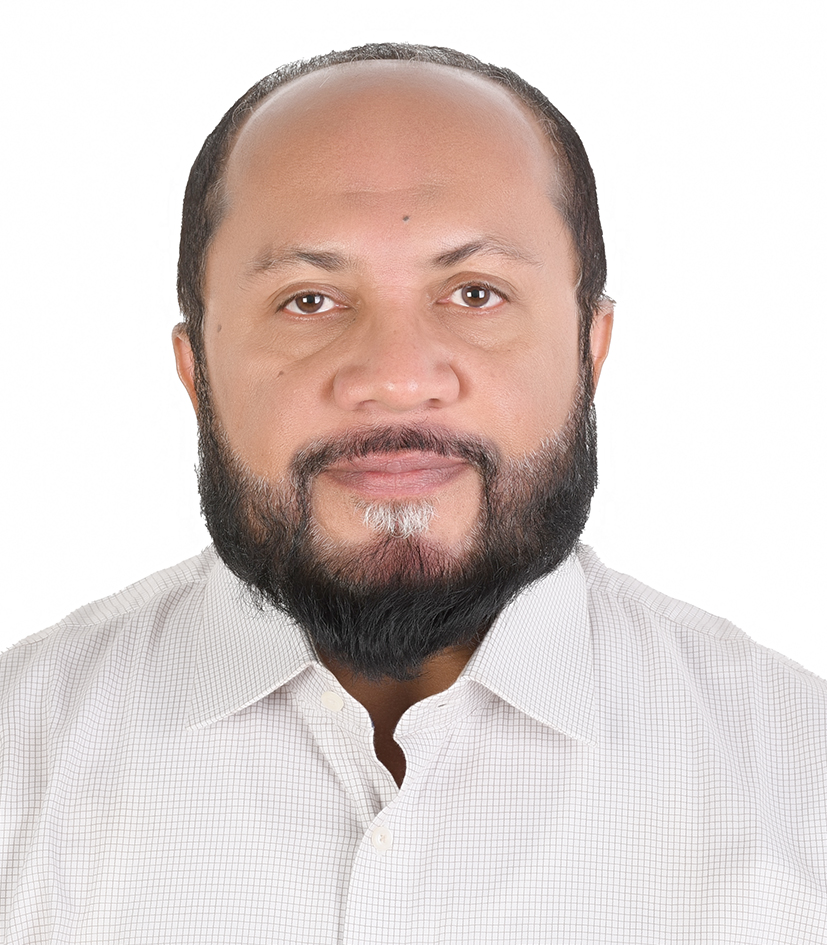
Nawaz Ali Lakho es un profesional de la generación de energía y consultor de gestión de proyectos con más de 33 años de experiencia en centrales térmicas, nucleares, de turbinas de gas, de turbinas de vapor y de ciclo combinado. Su carrera abarca operaciones de planta, mantenimiento, puesta en marcha, resolución de problemas, gestión de activos y el liderazgo de equipos multidisciplinares de más de 200 personas.
Su experiencia práctica incluye turbinas de gas GE Frame 9E y 6FA y Alstom GT13DM; turbinas de vapor Mitsubishi, GE y Fuji; generadores de vapor de recuperación de calor; calderas supercríticas; y plataformas de control de plantas principales de GE, ABB, Emerson y Siemens. Ha participado en puestas en marcha en frío y en caliente, revisiones importantes, inspecciones de la ruta de gases calientes e inspecciones de combustión en instalaciones de energía que van desde 150 MW hasta 586 MW.
En Global Power News, Nawaz comparte estudios de caso de O&M informados sobre el terreno, orientación técnica, información sobre equipos y análisis de sistemas de energía e infraestructura energética. Conéctate con él en LinkedIn.
Experiencia Internacional: He trabajado en todo el mundo, especialmente en Pakistán, Irak, Arabia Saudí, EAU, Angola, Inglaterra y Nigeria.
Descargo de responsabilidad: Los artículos se desarrollan utilizando investigación en Internet, experiencia profesional en el campo y asistencia de IA. Si bien se hace todo lo posible para garantizar la precisión, el contenido puede contener estimaciones, proyecciones o suposiciones. El autor no asume ninguna responsabilidad por discrepancias técnicas o computacionales.