
التحول الكبير: كيف تطور توليد الطاقة بين عامي 1883 و 1925
تمثل السنوات الـ 42 بين عامي 1883 و 1925 الفترة الأكثر انفجارًا للتحول في التاريخ الصناعي. في عام 1883، كانت الكهرباء رفاهية محلية. كانت المحطات المركزية مثل محطة بيرل ستريت التابعة لتوماس إديسون (التي تأسست عام 1882) تعمل بالتيار المباشر (DC)، والذي لم يكن بإمكانه نقل الطاقة إلا لمسافة ميل واحد تقريبًا قبل أن تجعله انخفاضات الجهد عديم الفائدة. اعتمدت محطات التوليد على محركات بخارية صغيرة وغير فعالة ذات مكبس متردد كانت تعمل بصعوبة لتشغيل بضعة آلاف من المصابيح القريبة.
بحلول عام 1925، كانت الصورة غير قابلة للتعرف عليها. امتدت شبكات ضخمة وعالية الجهد ومترابطة عبر القارات. ولّدت التوربينات البخارية الأكبر من المنازل مئات الميجاوات، ولم تشغل الإضاءة فحسب، بل أنظمة مترو أنفاق بأكملها، ومصانع تصنيع ثقيلة، وسوقًا متناميًا للأجهزة الاستهلاكية.
1. معركة التيارات وصعود التيار المتردد (1883-1895)
في أواخر الثمانينيات من القرن التاسع عشر، وضعت "حرب التيارات" نظام إديسون للتيار المباشر في مواجهة نظام التيار المتردد (AC) الذي روج له جورج وستنجهاوس وقاده براءات اختراع نيكولا تيسلا للمحركات الحثية متعددة الأطوار (1888).
كانت الفيزياء بسيطة ولكنها حاسمة: لم يكن من الممكن رفع جهد التيار المباشر بسهولة. ومع ذلك، يمكن للتيار المتردد استخدام المحولات لزيادة الجهد للسفر لمسافات طويلة مع الحد الأدنى من فقدان الطاقة، ثم خفضه بأمان للمستخدمين.
بلغت ذروة هذه الحقبة في عام 1895 مع افتتاح مشروع شلالات نياجرا لتوليد الطاقة. باستخدام نظام التيار المتردد متعدد الأطوار لتيسلا ومولدات وستنجهاوس الضخمة، نجحت المحطة في نقل الكهرباء لمسافة 22 ميلًا إلى بوفالو، نيويورك. أثبت هذا الحدث أنه يمكن فصل توليد الطاقة عن المنطقة المجاورة مباشرة لمستخدميها.
2. المحركات الأولية: من المكابس إلى توربينات البخار لبارسونز
بينما تم تحديد التنسيق الكهربائي، خضعت الآلات الميكانيكية التي تدور المولدات لتحول هائل. استخدمت المحطات المبكرة محركات بخارية ضخمة ذات مكبس متردد. استخدمت هذه المحركات مكابس تغير اتجاهها باستمرار، مما أدى إلى اهتزازات هيكلية شديدة وحدّت بشكل صارم من سرعة وحجم بنائها.
جاء الاختراق من تشارلز بارسونز، الذي اخترع التوربين البخاري المحوري متعدد المراحل في عام 1884. بدلاً من دفع المكبس ذهابًا وإيابًا، انفجر البخار عالي الضغط مباشرة عبر صفوف من الشفرات الدوارة، مما أدى إلى دوران العمود باستمرار بسرعات عالية بشكل لا يصدق.
غيّر اعتماد التوربين البخاري اقتصاديات الطاقة:
- البصمة: شغل التوربين أقل من ربع المساحة المادية لمحرك مكبس متردد بنفس القدرة.
- السعة: بحلول عام 1925، تمكنت وحدات التوربو-مولدات الفردية من إنتاج أكثر من 100,000 كيلوواط (100 ميجاوات)، وهو نطاق لا يمكن تخيله مع المكابس.
3. استخدام الوقود: هيمنة الفحم وظهور النفط
يعكس التحول في أنواع الوقود خلال هذه الفترة التي تبلغ 42 عامًا اتجاهًا نحو كثافة طاقة أعلى والأتمتة.
| العصر | الوقود الأساسي | تقنية الاحتراق | ملف الكفاءة |
| عقد 1880 | فحم مقطع، خشب | التلقيم اليدوي بالفأس في غلايات منخفضة الضغط | منخفض للغاية (كفاءة حرارية ~3-5٪) |
| عقد 1900 | فحم قاري | مُلقمات ميكانيكية (تغذية آلية) | تحسينات معتدلة في ضغط البخار |
| عقد 1920 | فحم مسحوق، زيت وقود | فحم مسحوق يُنفخ في الفرن / مشعلات زيت سائل | غلايات عالية الضغط (كفاءة ~15-20٪) |
في عام 1883، تطلب تشغيل محطة طاقة جهدًا يدويًا شاقًا لتلقيم الفحم المقطع في الأفران. بحلول عشرينيات القرن الماضي، قدم المهندسون الفحم المسحوق. سحق الفحم إلى مسحوق ناعم ونفخه في الفرن سمح له بالاحتراق بشكل نظيف في حالة التعليق، مما زاد من إنتاج الحرارة إلى أقصى حد وقلل من النفايات بشكل كبير.
في الوقت نفسه، قدم اكتشاف احتياطيات نفط ضخمة (مثل سبيندلتوب في عام 1901) زيت الوقود الثقيل إلى مزيج الوقود. قدم النفط تخزينًا أسهل، واحتراقًا أنظف، وتوصيلًا أبسط عبر الأنابيب السائلة مقارنة بالفحم.
4. عقد 1920: تكامل الأنظمة والشبكة الحديثة
بحلول عام 1925، لم يعد توليد الطاقة يتعلق بالمحطات الفردية؛ بل كان يتعلق بأنظمة الطاقة الفائقة.
قدم المهندسون غرف تحكم متخصصة تضم مفاتيح آلية، ومكثفات متزامنة لتحقيق استقرار جهد الشبكة، ودورات ديناميكا حرارية متقدمة (مثل إعادة تسخين البخار بين مراحل التوربين). ارتفعت الكفاءات الحرارية إلى ما يقرب من 20٪، مما يعني أن المحطات أنتجت كهرباء أكثر بكثير لكل رطل من الوقود مقارنة بأسلافها في ثمانينيات القرن التاسع عشر.
ملخص التطور على مدار 42 عامًا
يمكن رسم تطور توليد الطاقة خلال هذه الحقبة الذهبية عبر أربعة مقاييس رئيسية:
- بنية النظام: تحول من شبكات تيار مستمر محلية معزولة ومنخفضة الجهد (1883) إلى شبكات تيار متردد إقليمية مترابطة وعالية الجهد (1925).
- سعة المولد: تضخمت بشكل كبير من حوالي 50 كيلووات إلى أكثر من 100,000 كيلووات لكل وحدة.
- المحرك الأساسي: استبدال محركات البخار الترددية المتقطعة المهتزة بمحركات توربينات بخارية وهيدروليكية فائقة السرعة وسلسة.
- حدود النقل: انفجرت من حد مادي صارم يبلغ ميل واحد إلى خطوط عبر البلاد تعمل بجهد يصل إلى 220,000 فولت.
بحلول عام 1925، تم وضع الأساس للعالم الحديث المكهرب بالكامل. توسع الإطار الأساسي الذي هندسه تسلا وويستنجهاوس وبارسونز ليصبح شريان الحياة الحرفي للصناعة العالمية.
اقرأ المزيد انقر: the-fifty-year-fuse-how-engineering-scaled-the-global-power-grid
المصادر:
- مركز إديسون للتكنولوجيا – محطة شارع بيرل https://edisontechcenter.org/PearlStreetStation.html
- شبكة التاريخ العالمي للمعهد الأمريكي للمهندسين الكهربائيين – محطة شارع بيرل https://ethw.org/Pearl_Street_Station
- خدمة المتنزهات الوطنية – متنزه إديسون التاريخي الوطني https://www.nps.gov/edis/index.htm
- معلم المعهد الأمريكي للمهندسين الكهربائيين – أبليتون (محطة فولكان ستريت للطاقة الكهرومائية) https://ethw.org/Milestones:Appleton_Electric_Light_Company
- الجمعية الأمريكية للمهندسين الميكانيكيين – السيرة الذاتية للسير تشارلز بارسونز https://www.asme.org/topics-resources/content/charles-parsons
- موسوعة بريتانيكا – التوربين البخاري https://www.britannica.com/technology/steam-turbine
- بابكوك وويلكوكس – البخار: توليده واستخدامه
https://www.babcock.com/home/about/resources/steam-its-generation-and-use-buy-online - مركز تاريخ المعهد الأمريكي للمهندسين الكهربائيين https://ethw.org
- مؤسسة سميثسونيان – نيكولا تسلا https://invention.si.edu/nikola-tesla
- مكتبة الكونغرس – أوراق توماس إديسون https://www.loc.gov/collections/edison-company-motion-pictures-and-sound-recordings/
- هيتاتشي للطاقة – تاريخ المحولات https://www.hitachienergy.com
- مركز تاريخ المعهد الأمريكي للمهندسين الكهربائيين https://ethw.org
- CIGRE https://www.cigre.org
- هيئة كهرباء نيويورك – فيستا للطاقة في شلالات نياجرا https://www.nypa.gov/power/generation/niagara
- معلم المعهد الأمريكي للمهندسين الكهربائيين – منزل محولات محطة آدامز للطاقة https://ethw.org/Milestones:Adams_Power_Plant_Transformer_House
- معلم الجمعية الأمريكية للمهندسين المدنيين – مشروع طاقة شلالات نياجرا https://www.asce.org/about-civil-engineering/history-and-heritage/historic-landmarks
- مركز التعلم بابكوك وويلكوكس https://www.babcock.com/home/about/resources
- بابكوك وويلكوكس – البخار: توليده واستخدامه https://www.babcock.com/home/about/resources/steam-its-generation-and-use-buy-online
- جمعية ولاية تكساس التاريخية – حقل نفط سبيندلتوب https://www.tshaonline.org/handbook/entries/spindletop-oilfield
- الجمعية التاريخية الأمريكية للنفط والغاز https://aoghs.org
- ويكي تاريخ الهندسة والتكنولوجيا للمعهد الأمريكي للمهندسين الكهربائيين https://ethw.org
- الرابطة النووية العالمية – أنظمة نقل الكهرباء https://world-nuclear.org/information-library/current-and-future-generation/electricity-transmission-grids
- CIGRE https://www.cigre.org
- معهد أبحاث الطاقة الكهربائية (EPRI) https://www.epri.com
- وكالة الطاقة الدولية (IEA) https://www.iea.org
- وزارة الطاقة الأمريكية https://www.energy.gov
- تاريخ الهندسة للجمعية الأمريكية للمهندسين الميكانيكيين https://www.asme.org/about-asme/engineering-history
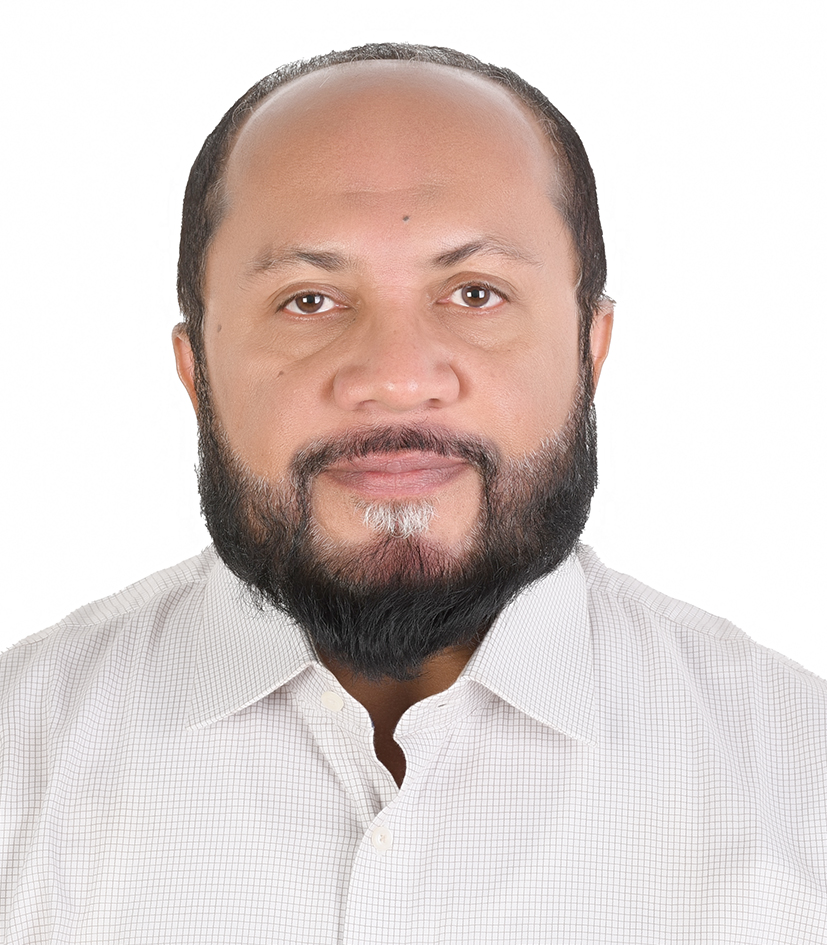
نواز علي لاخو هو محترف في مجال توليد الطاقة واستشاري إدارة مشاريع يتمتع بخبرة تزيد عن 33 عامًا في محطات الطاقة الحرارية والنووية وتوربينات الغاز وتوربينات البخار والدورة المركبة. تشمل مسيرته المهنية عمليات المحطات وصيانتها وتشغيلها واستكشاف الأخطاء وإصلاحها وإدارة الأصول وقيادة فرق متعددة التخصصات تضم أكثر من 200 فرد.
تشمل خبرته العملية توربينات الغاز GE Frame 9E و 6FA و Alstom GT13DM؛ وتوربينات البخار Mitsubishi و GE و Fuji؛ ومولدات بخار استعادة الحرارة؛ وغلايات فائقة الحرارة؛ ومنصات التحكم الرئيسية للمحطات من GE و ABB و Emerson و Siemens. شارك في التشغيل البارد والساخن، وعمليات الإصلاح الرئيسية، وفحص مسار الغاز الساخن، وفحص الاحتراق في مرافق الطاقة التي تتراوح قدرتها من 150 ميجاوات إلى 586 ميجاوات.
في Global Power News، يشارك نواز دراسات حالة ميدانية مستنيرة في مجال التشغيل والصيانة، وإرشادات فنية، ورؤى حول المعدات، وتحليلات لأنظمة الطاقة والبنية التحتية للطاقة. تواصل معه على LinkedIn.
خبرة دولية: عملت في جميع أنحاء العالم، وخاصة في باكستان والعراق والمملكة العربية السعودية والإمارات العربية المتحدة وأنغولا وإنجلترا ونيجيريا.
إخلاء مسؤولية: تم تطوير المقالات باستخدام البحث على الإنترنت والخبرة الميدانية المهنية والمساعدة من الذكاء الاصطناعي. بينما يتم بذل كل جهد لضمان الدقة، قد يحتوي المحتوى على تقديرات أو توقعات أو افتراضات. لا يتحمل المؤلف أي مسؤولية عن التناقضات الفنية أو الحسابية.